February 07, 2026
Pharmacovigilance for Virtual and Asset-Light Pharma Companies
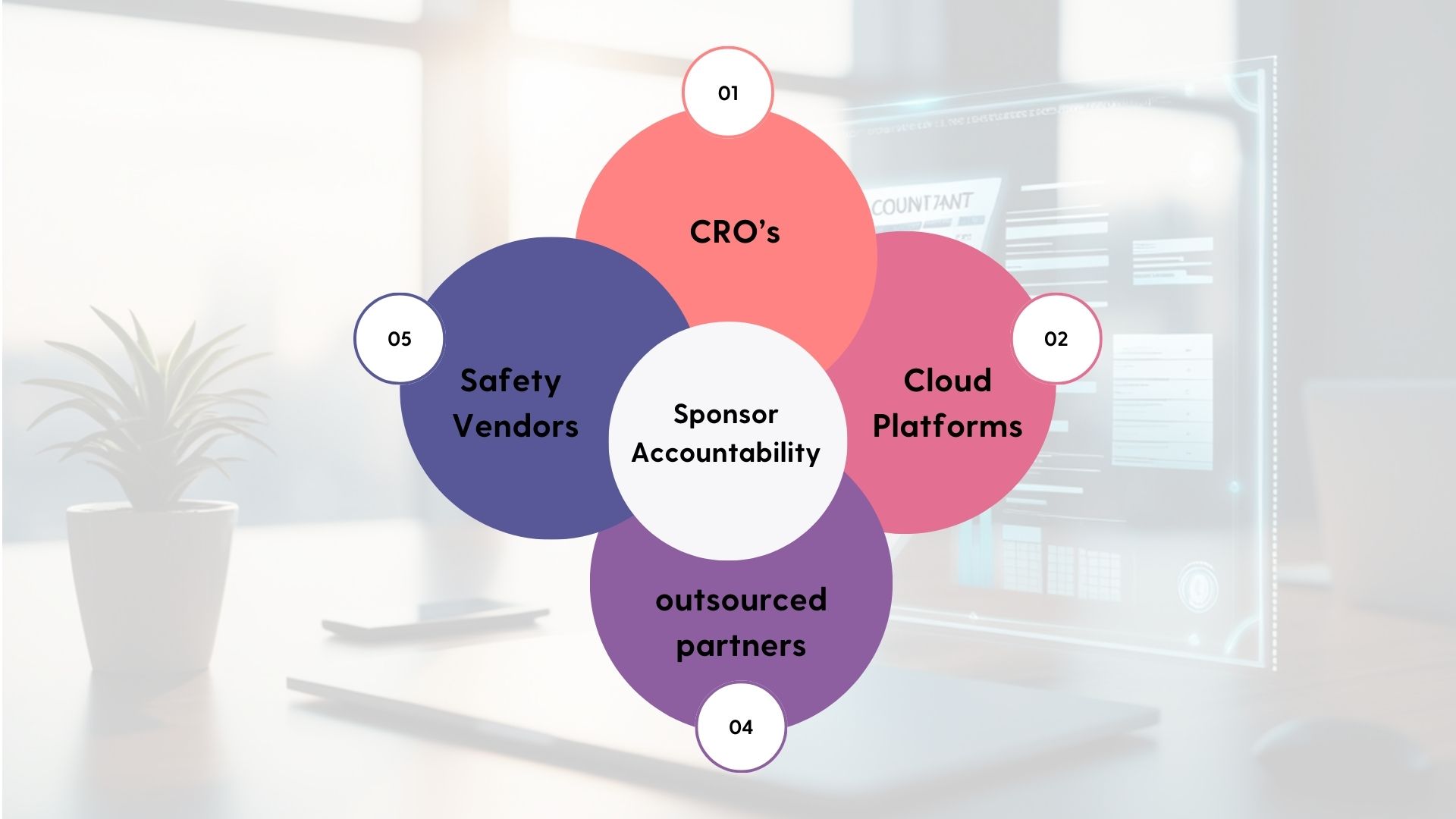
Virtual and asset-light pharma models have transformed drug development. Teams are lean, operations are distributed, and execution depends on partners rather than owned infrastructure. While this model accelerates innovation, it introduces a critical challenge that is often underestimated: Accountability in Pharmacovigilance.
Regulators do not recognise operating models. They recognise responsibility. For virtual organisations, the absence of internal systems and staff does not reduce regulatory expectations. It amplifies them. When inspections occur, sponsors must prove control over safety activities that are largely executed by others.
Why Virtual Models Create Unique PV Risk
In traditional organisations, pharmacovigilance control is reinforced by proximity. Systems, teams, and oversight functions coexist. In virtual models, safety activities are fragmented across CROs, technology vendors, and regional partners.
This fragmentation creates ambiguity around ownership.
- Who controls the safety database? Who approves changes?
- Who verifies data integrity?
When these questions are not answered immediately and consistently, inspection risk escalates.
Authorities such as the European Medicines Agency and the U.S. Food and Drug Administration expect sponsors to demonstrate continuous oversight regardless of outsourcing. Virtual structures that lack centralised PV-IT governance often struggle to meet this expectation.
The Illusion of Oversight Through Contracts
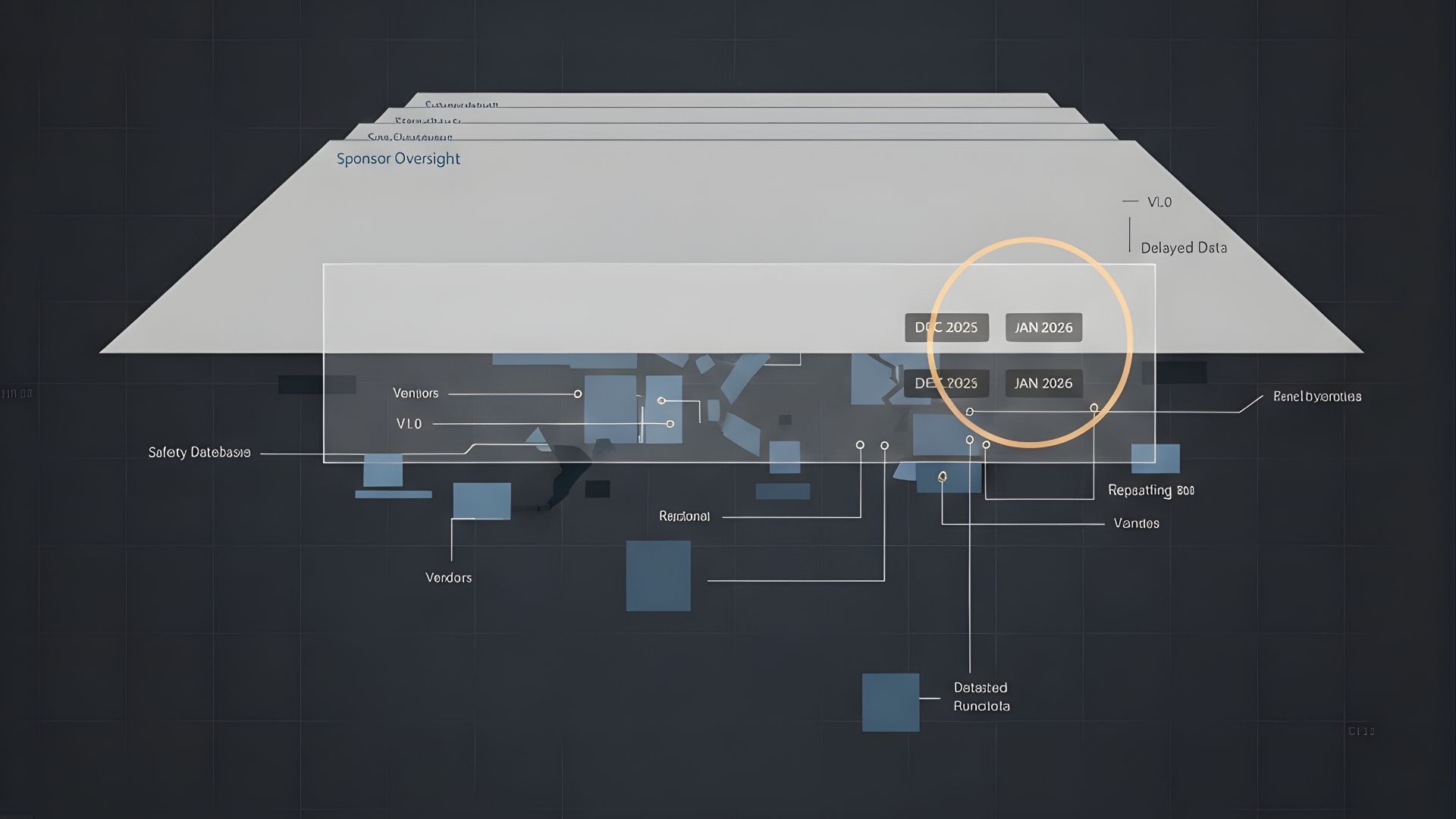
Quality agreements and service level documents are necessary but insufficient. They describe intent, not execution. Inspectors evaluate whether sponsors can demonstrate real-time control rather than contractual assurance.
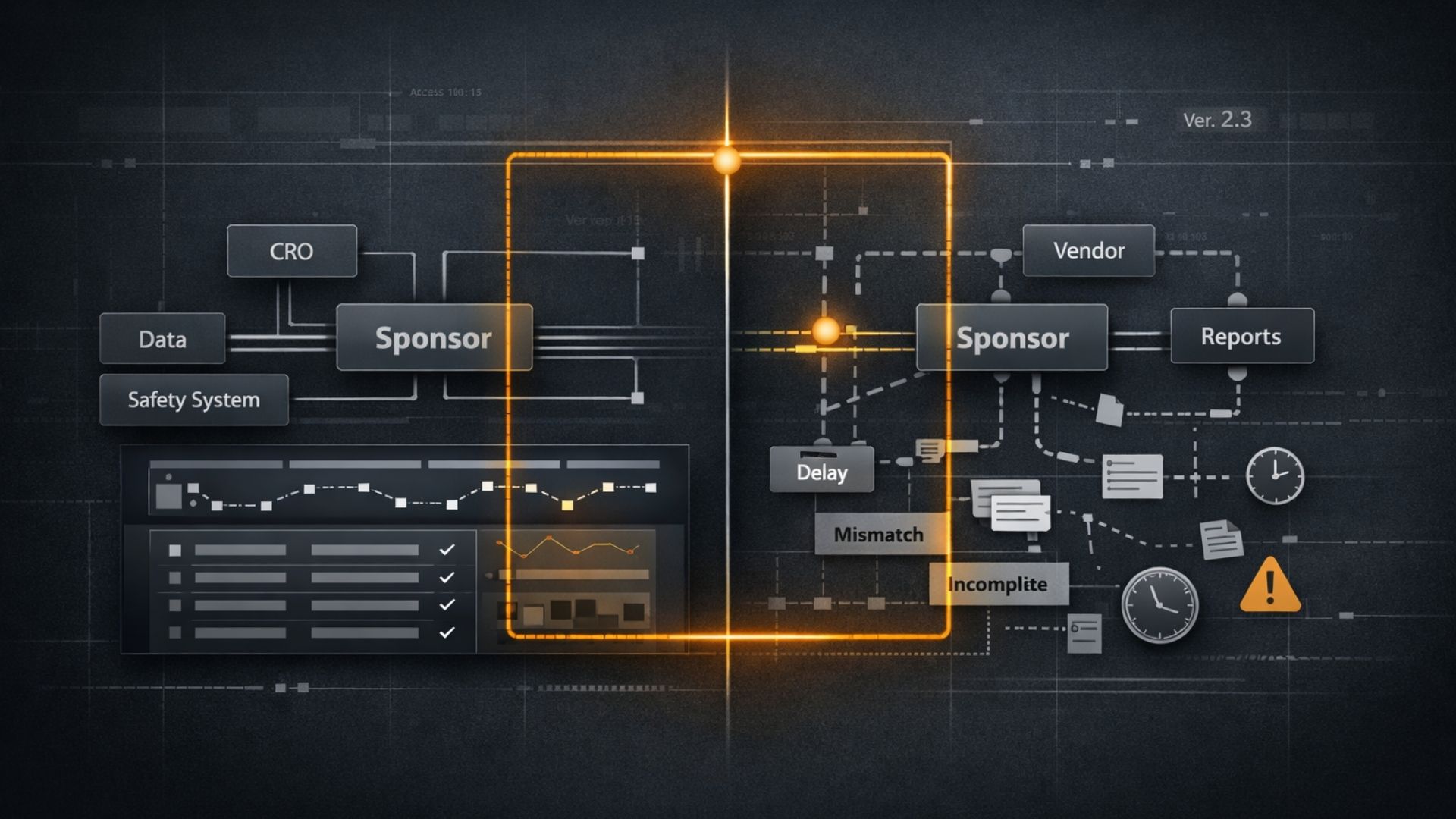
Common inspection findings in virtual models include delayed access to safety data, inconsistent documentation across vendors, and unclear escalation pathways. These issues rarely disrupt daily operations but signal loss of sponsor control during audits.
Without system-level integration, oversight becomes reactive. Evidence is collected after questions are asked rather than being continuously available.
The Role of PV-IT in Virtual Organisations
For asset-light companies, PV-IT becomes the operational core rather than a supporting function. A centralised PV-IT environment allows sponsors to retain control even when execution is distributed.
Through unified safety databases, sponsors maintain direct access to case data regardless of who processes it. Audit trails capture vendor activity transparently. Change control workflows ensure that system modifications are approved and documented centrally.
This design enables sponsors to answer inspection questions with system evidence rather than vendor explanations.
Governance Without Headcount Expansion
Virtual organisations often avoid building internal teams to remain agile. Effective PV governance does not require large teams. It requires a clear system design.
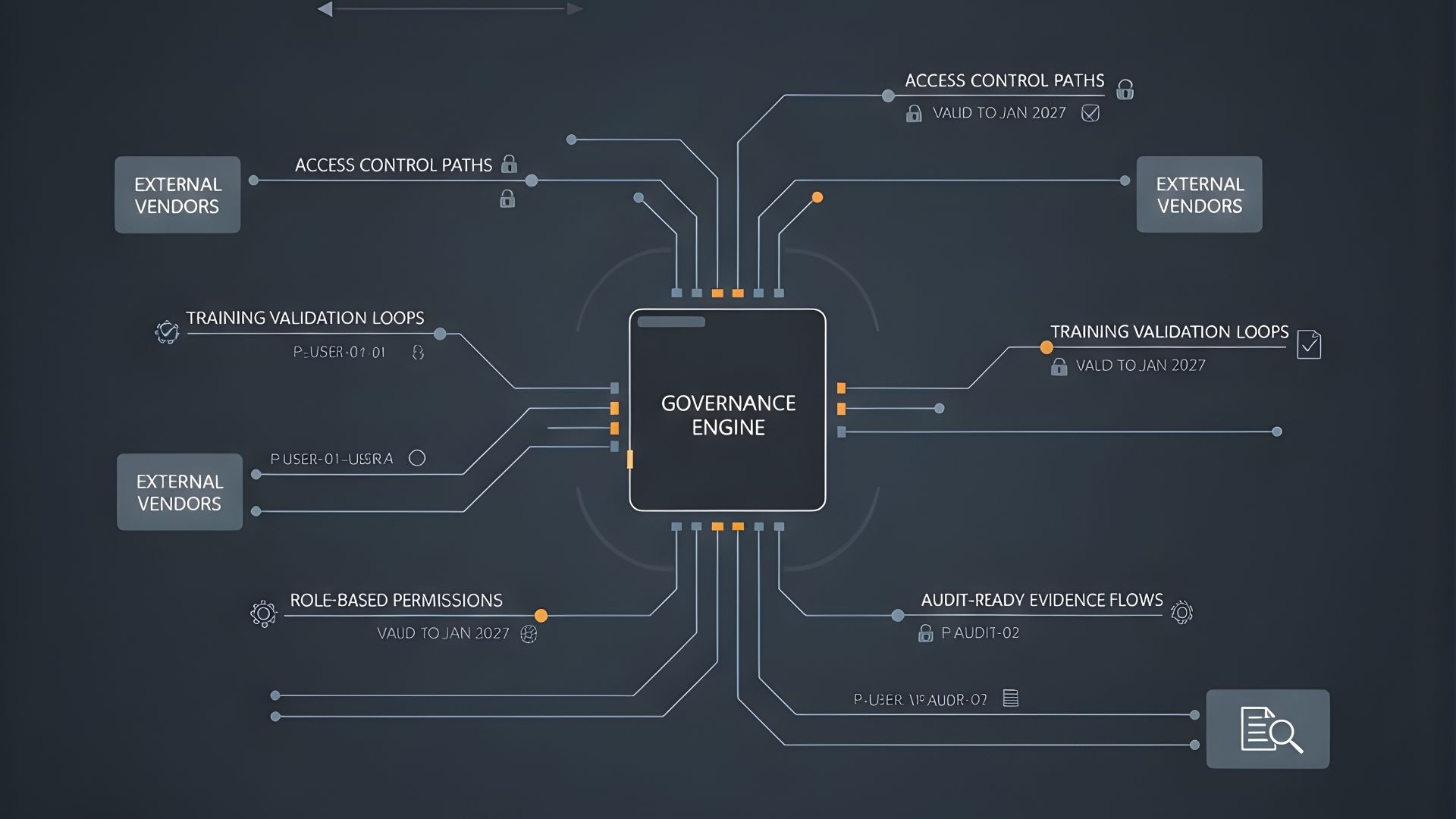
Role definitions are embedded within workflows. Access rights align with responsibilities. Training records synchronise with permissions. Oversight is executed digitally rather than manually.
This allows small internal teams to maintain regulatory control without operational bottlenecks.
Managing Multiple Vendors Without Losing Visibility
Most virtual companies rely on multiple vendors across regions and functions. Without centralised oversight, each vendor becomes a separate compliance universe.
PV-IT integration creates a single oversight layer across vendors. Sponsors can monitor performance, trace actions, and intervene when deviations occur. This visibility is essential during inspections, when regulators evaluate sponsor accountability rather than vendor capability.
The World Health Organisation emphasises harmonised safety reporting structures, a requirement that is difficult to demonstrate when vendors operate in isolation.
Inspection Reality for Virtual Pharma
Inspections do not focus on how lean an organisation is. They focus on whether safety obligations are met consistently. Virtual sponsors are often scrutinised more closely because inspectors expect higher reliance on partners.
When sponsors can demonstrate centralised control through PV-IT systems, inspections proceed smoothly. When control relies on manual coordination, findings emerge quickly.
Designing Virtual PV for Scale
Many virtual companies begin with early-stage assets and limited case volumes. As products advance, volumes increase, regions expand, and regulatory exposure intensifies.
PV-IT environments designed for scalability allow organisations to grow without redesigning governance. Systems remain consistent as responsibilities expand. Compliance debt does not accumulate silently.
This foresight protects organisations from costly remediation during later-stage inspections.
Conclusion
Virtual and asset-light pharma models succeed when agility is paired with control. Pharmacovigilance is the function where this balance is tested most rigorously.
At Fidelity Health Services, PV-IT frameworks are designed to give virtual organisations inspection-ready control without operational burden. By centralising oversight, embedding governance into systems, and maintaining continuous traceability, sponsors remain accountable even when execution is distributed.
In pharmacovigilance, responsibility cannot be outsourced. Control must be designed.
Explore related insights in Vendor Oversight in Pharmacovigilance and Compliance and Inspection Readiness in Pharmacovigilance .