February 23, 2026
Audit Proof Vendor Oversight in Pharmacovigilance

Outsourcing is now a structural reality in pharmacovigilance. Case processing, medical review, literature screening, and even reporting are routinely performed by external partners. While this model improves flexibility, it introduces a misconception that repeatedly surfaces during inspections. Accountability can be delegated. Responsibility cannot.
Regulators evaluate sponsors, not vendors. When oversight is informal or retrospective, findings follow quickly. Audit-proof vendor oversight requires systems that demonstrate continuous control rather than periodic review.
Why Vendor Oversight Fails in Practice
Most organisations rely on contracts, quality agreements, and scheduled audits to manage vendors. These tools define expectations but do not demonstrate execution.
During inspections, reviewers ask how sponsor control is exercised daily. They expect evidence showing who performed each activity, under what authority, and within which validated system. When answers rely on vendor explanations or offline reports, confidence erodes.
Authorities such as the European Medicines Agency and the U.S. Food and Drug Administration consistently emphasise sponsor oversight as a core compliance requirement.
The Limits of Periodic Audits
Vendor audits are essential but insufficient. They capture a moment in time. Inspections evaluate continuity.
Common inspection observations include incomplete visibility into vendor system changes, delayed awareness of deviations, and unclear escalation pathways. These issues rarely disrupt operations but signal loss of sponsor control.
True oversight cannot depend on scheduled checks alone. It must be embedded into daily workflows.

What Audit Proof Oversight Actually Looks Like
Audit-proof oversight is achieved when vendor activity is visible, traceable, and governed within the sponsor’s PV environment.
This begins with centralised access to safety data. Sponsors must be able to view, retrieve, and explain cases without relying on vendor intervention. Audit trails should capture vendor actions transparently within validated systems.
Change control is equally critical. System updates, process adjustments, and role changes must be approved and documented centrally. When vendors operate within controlled workflows, accountability becomes demonstrable.
Training and access governance also play a decisive role. Inspectors verify that vendor personnel were qualified for the tasks they performed and that permissions matched responsibilities at the time of execution. Synchronisation between training records and system access is therefore essential.
Managing Multiple Vendors Without Fragmentation
Many organisations engage different vendors across regions or functions. Without integration, each vendor becomes a separate compliance domain.

PV-IT integration provides a single oversight layer. Performance metrics, deviations, and corrective actions are monitored centrally. Sponsors retain situational awareness without micromanagement.
The World Health Organisation promotes harmonised safety reporting to support global signal detection. Fragmented vendor oversight undermines this objective.
Inspection Reality for Sponsors
During inspections, regulators test whether sponsors can demonstrate control without preparation. They request specific cases, timelines, and decisions. If retrieval depends on vendor coordination, oversight is questioned.
When sponsors operate within integrated PV-IT frameworks, responses are immediate. Evidence is retrieved directly. Oversight is shown through systems rather than statements.
Designing Oversight Into PV-IT Architecture
At Fidelity Health Services, vendor oversight is treated as a system design principle.
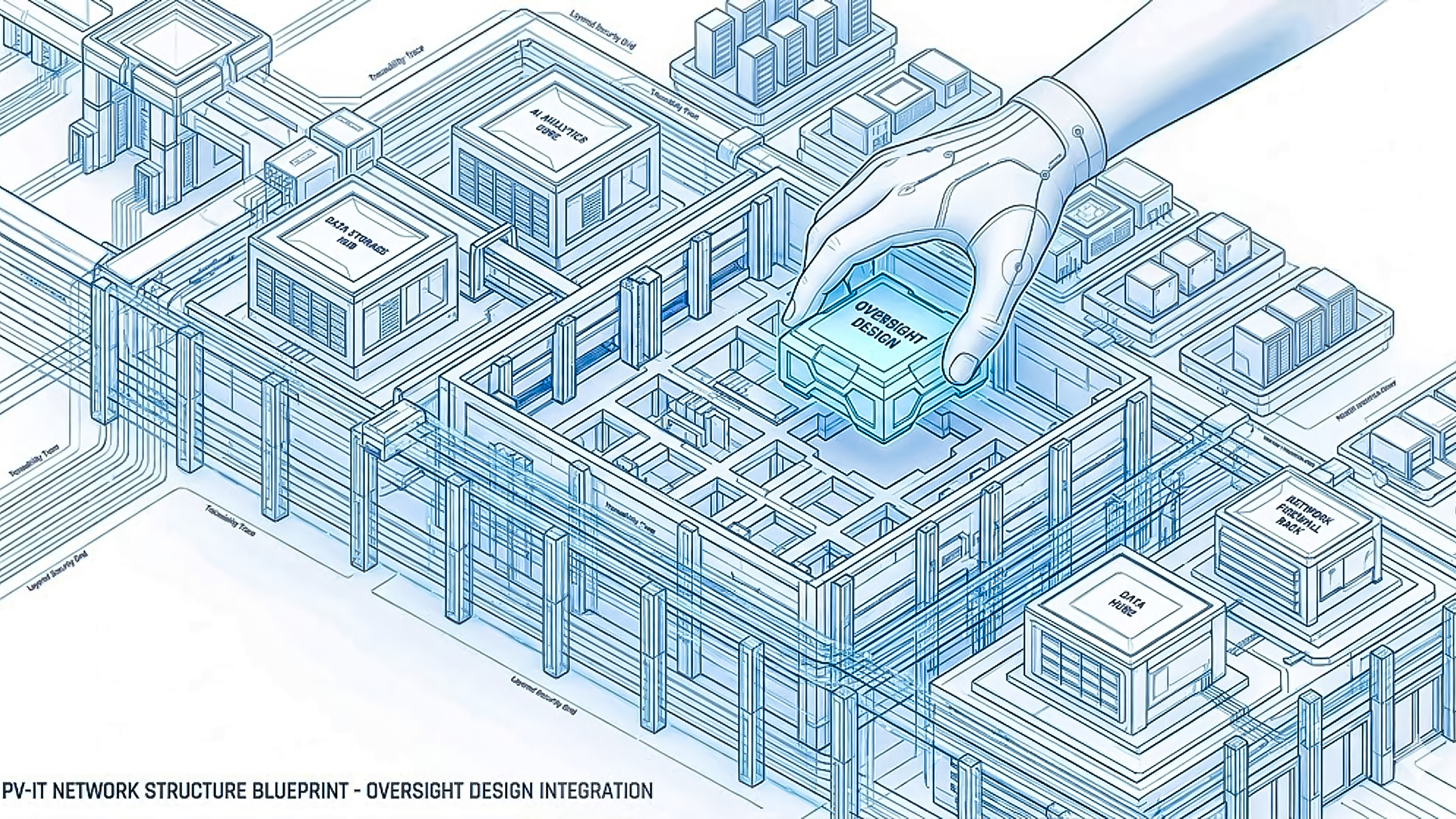
PV-IT environments are structured to ensure that vendor execution occurs within sponsor-governed workflows. Audit trails, access controls, and validation evidence remain centralised. Deviation management and corrective actions are tracked transparently. This design allows sponsors to scale vendor engagement without scaling compliance risk.
Oversight as a Strategic Capability
Audit-proof vendor oversight does more than prevent findings. It enables faster onboarding of partners, clearer accountability, and stronger regulatory relationships.
As portfolios expand and outsourcing increases, oversight maturity becomes a differentiator rather than a burden.
Conclusion
Vendor oversight in pharmacovigilance cannot rely on trust alone. It must be demonstrated through systems that make control visible and continuous.

At Fidelity Health Services, PV-IT frameworks transform oversight from a periodic activity into an operational constant. By embedding governance, traceability, and validation into daily workflows, sponsors remain accountable regardless of how many partners support execution.
In inspections, proof matters more than intention. Oversight must be built, not asserted.
Explore related insights in Compliance and Inspection Readiness in Pharmacovigilance and Operational Harmonisation in Pharmacovigilance .